

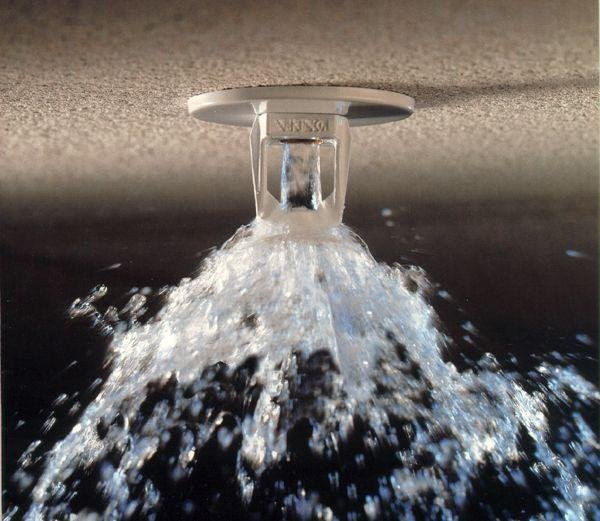
Fire sprinkler
Key Features:
Automatic Operation: Works without human intervention.
Immediate Response: Starts suppression within seconds of detection.
High Efficiency: Directs water to the fire, reducing water damage compared to manual hoses.

Guide to Ceiling Fire Sprinklers: Types, Mechanisms, and Standards
📌 What is a Ceiling Fire Sprinkler?
A fire sprinkler is the core component of Automatic Fire Sprinkler Systems. Installed in the ceiling, its primary mission is to discharge water automatically upon detecting fire indicators, such as a specific rise in temperature.
High Efficiency: In well-equipped buildings, fire sprinklers alone have successfully controlled over 99% of fires.
🛠️ How Does an Automatic Fire Sprinkler Work?
Contrary to movies, sprinklers do not all activate at once. Here is the precise mechanism:
Mechanism: Each sprinkler relies on a small glass bulb containing a heat-sensitive liquid.
Temperature Rise: Heat from the fire causes the liquid to expand.
Breakage & Discharge: Upon reaching a pre-set temperature (e.g., 68°C), the bulb shatters, opening the water orifice to spray directly onto the fire source.
🗂️ Types of Ceiling Fire Sprinklers
| Sprinkler Type | Spray Direction | Best Use | Notes |
|---|---|---|---|
| Pendant | Downward (Circular) | Offices, Homes, Hotels | The most common type for suspended ceilings. |
| Upright | Upward, then spreads | Warehouses, Factories | Ideal for industrial areas and exposed ceilings. |
| Sidewall | Horizontal (Semi-circle) | Narrow Corridors, Small Rooms | Mounted on walls when ceiling installation is impossible. |
| Concealed | Downward (after cap falls) | High-end Offices & Hotels | Flush with the ceiling and covered by a decorative disc. |
Response Time Classifications:
Quick Response (QR): Used in residential and commercial areas (Life Safety).
Standard Response (SR): Used in industrial zones for larger fires.
Early Suppression Fast Response (ESFR): Designed for high-piled storage warehouses.
🏗️ Components of a Complete Sprinkler System
A fire sprinkler system is an integrated network consisting of:
Sprinkler Heads: The activation and discharge element.
Pipe Network: Transports pressurized water to all heads.
Control Valve: The main valve controlling water flow to the system.
Water Supply: A dedicated tank, public main, or a Fire Pump for adequate pressure.
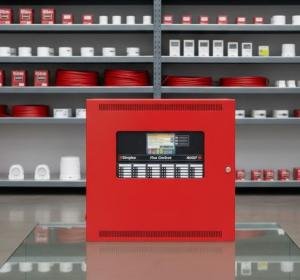
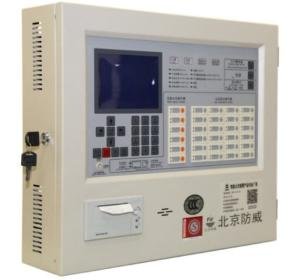
Alarm Panel: A central panel that receives signals and triggers alerts.
📐 Design and Installation Standards (SBC 801 / NFPA 13)
Design and installation must be performed by certified professionals following:
Spacing Between Sprinklers: Determined by the hazard level (Light, Ordinary, High).
Distance from Walls: Usually between 10 cm and half the distance between two sprinklers.
Avoiding Obstructions: Must be clear of large lighting units or air ducts.
💡 Features and Periodic Maintenance
Key Features:
Automatic Operation: Works without human intervention.
Immediate Response: Starts suppression within seconds of detection.
High Efficiency: Directs water to the fire, reducing water damage compared to manual hoses.
Maintenance Tips:
Monthly Visual Inspection: Ensure sprinklers are free of obstructions, paint, or dust.
Annual Professional Inspection: To verify valves, water sources, and alarm systems.
Regulatory Compliance: Follow maintenance guidelines such as NFPA 25.
❓ Frequently Asked Questions (FAQ)
Do sprinklers cause more water damage than the fire? No, they use much less water than fire department hoses.
Do all sprinklers activate at once? No, in most systems, only the head directly over the fire activates.
How do I know the sprinkler's operating temperature? It is color-coded by the liquid in the bulb:
Red: 68°C (Most common).
Orange: 57°C.
Yellow: 79°C.
Green: 93°C.
Customer reviews
(6 Reviews)
Add your review
Your email address will not be published. Required fields are marked *
Please login to write review!
Images from customer (16)
6 review(s) for "Fire sprinkler"