

Posted At: May 02, 2026 - 312 Views
The Comprehensive Guide to Dry Fire Suppression Systems
Benefits, Costs, and High-Risk Applications
Dry fire suppression systems are an advanced firefighting solution designed for environments where water cannot remain in pipes, such as cold areas or locations with water-sensitive equipment.
In this guide, you’ll learn how these systems work, their advantages, cost factors, and why they are the best choice for high-risk applications.
1. What is a Dry Fire Suppression System?
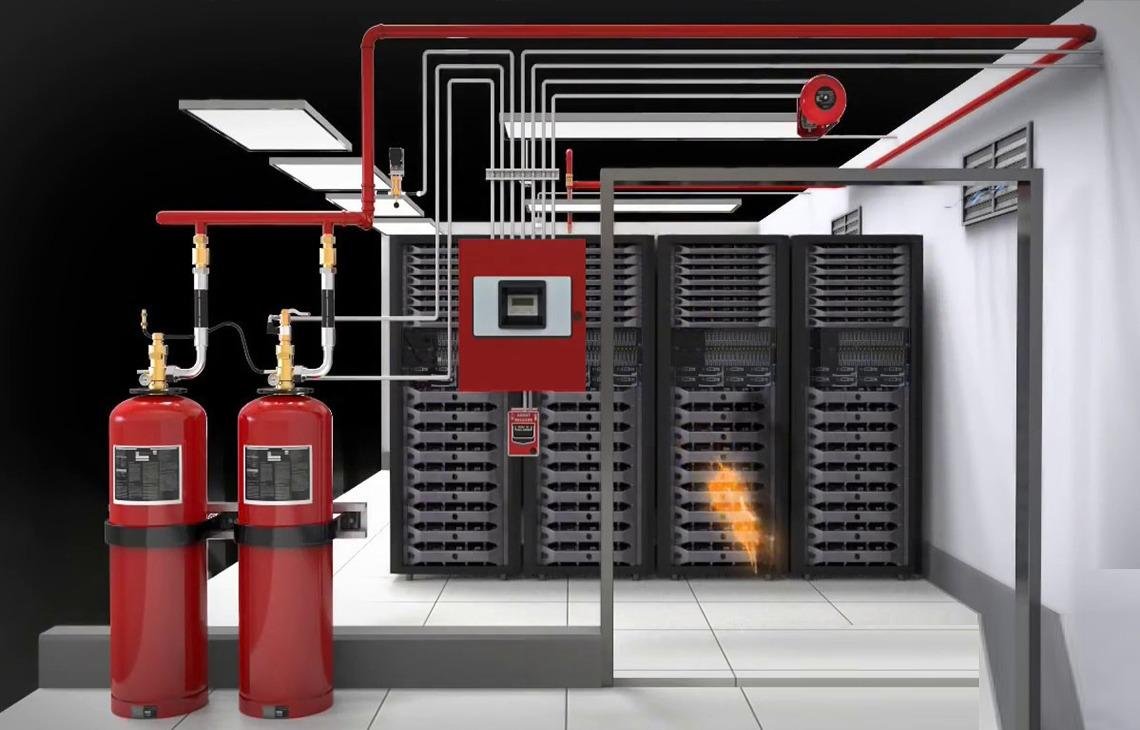
A dry fire suppression (or dry sprinkler) system uses compressed air or nitrogen instead of water inside the pipes. Water is held back by a special valve and is only released when a fire is detected.
How It Works (Simple Explanation)
- Normal State: Pipes are filled with compressed air; water is held behind a dry valve
- Fire Detection: Heat activates the sprinkler head, releasing the air
- Pressure Drop: The dry valve opens automatically
- Water Flow: Water travels through the pipes to the activated sprinkler
- Fire Suppression: Water is discharged directly onto the fire
Keynote:
Dry systems are highly effective in controlling fires in environments where traditional water-based systems are not practical.
2. Advantages of Dry Fire Suppression Systems
Dry systems offer several benefits compared to traditional wet sprinkler systems:
3. Estimated Cost of a Dry Fire Suppression System
The cost of installing a dry fire suppression system varies depending on several factors.
Main Cost Factors
- Facility Size: Larger spaces require more piping and equipment
- Facility Type: Industrial or chemical plants cost more than standard buildings
- Number of Sprinklers: More units increase total cost
- Material Quality: Stainless steel systems are more expensive
- Air Compression System: High-quality compressors add to the cost
- Installation Labor: Depends on contractor expertise and project complexity
How to Get Accurate Pricing
- Evaluate all system components (valves, compressors, pipes)
- Compare different product options and materials
- Request quotes from specialized fire protection companies
4. Why Dry Systems Are Ideal for High-Risk Areas
Dry fire suppression systems are particularly effective in environments where fire hazards are high, or water damage must be minimized.
Common High-Risk Applications
- Petrochemical plants
- Chemical storage facilities
- Power plants
- Server rooms and electrical facilities
Key Benefits in These Areas
- Foam Compatibility: Can integrate with foam systems for faster suppression
- Reduced Water Damage: Essential for sensitive equipment
- Enhanced Safety: Protects both assets and personnel
5. Chemical Dry Systems (Powder-Based Systems)
In some cases, dry systems use chemical powders instead of water.
Common Uses
- Flammable liquid fires (e.g., fuel stations)
- Electrical fires (e.g., control panels)
Types of Powders
- ABC Powder: Multi-purpose (solids, liquids, electrical fires)
- BC Powder: Suitable for flammable liquids and gases
These systems are highly effective in environments where water or foam cannot be used.
Conclusion: Smart Fire Protection with Dry Systems
Dry fire suppression systems are the ideal solution for:
- Cold environments
- Water-sensitive facilities
- High-risk industrial areas
They provide efficient, reliable, and damage-minimizing fire protection.
Take the Next Step
Protect your facility with a professional fire suppression solution tailored to your needs.