
We thank Quality Standards Company for its meticulous implementation and full adherence to technical specifications in the supply and installation of safety and protection systems, while providing outstanding technical support.
Quality Standard
Safety systems and fire systems
Safety systems and fire systems
Quality Standard
+355
Number of satisfied customers
+149
number of projects
+50
Number of success partners
+20
Number of years of experience
latest news
products
success partners
Quality standard
Safety systems and fire systems
The alarm system is linked to the elevators so that when the smoke detector in the elevator lobbies is activated, the system sends a signal to the elevator to automatically land on the ground floor and open its doors, and it is prohibited for the public to use it to ensure their safety.
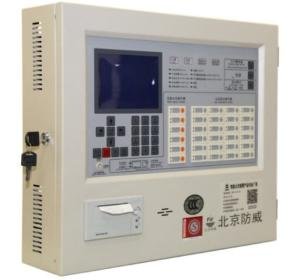
For the traditional system: the building is divided into zones (Zones). If a fire occurs, you only know the area and do not know the specific detector.
Addressable system: Each detector has its own address and number. The control panel tells you exactly where the fire is (eg: Detector No. 5 - Third Floor - Meeting Room).
Smoke detector (Smoke): Often works with "ion" or "photoelectric" (Photoelectric) technology to sense smoke particles.
Heat Detector (Heat): Operates when the heat reaches a certain temperature (Fixed Temperature) or rises at a sudden speed (Rate of Rise).
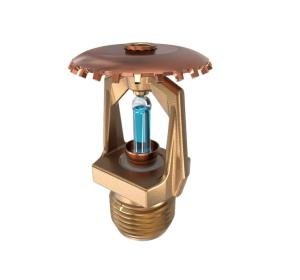
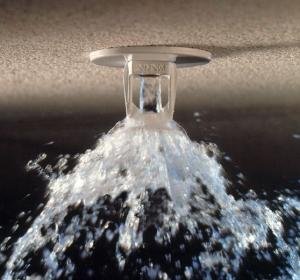
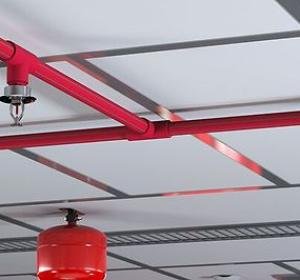
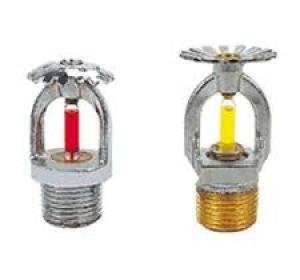
Standing (Upright): Rides up (often in places where there is no borrowed roof).
Dangling (Pendent): Rides down (used with borrowed ceilings).
Wall (Sidewall): Mounted on walls (for corridors or narrow rooms).
Facilities require approved safety plans, installation of alarm and fire extinguishing systems that comply with the Saudi Building Code (SBC), and an installation and maintenance certificate from a company approved by the "Salama" portal
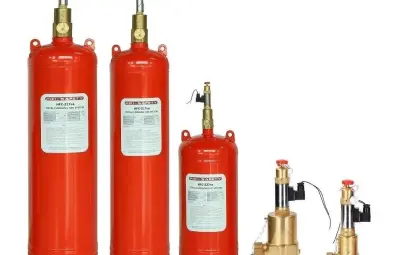
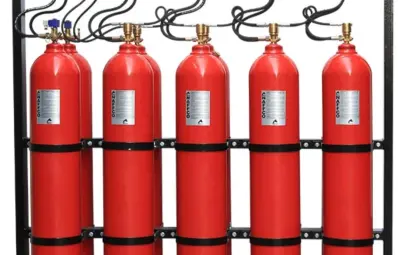
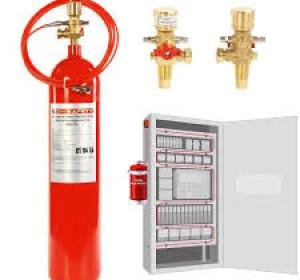
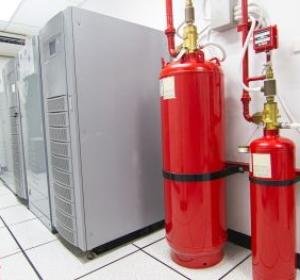
FM-200: Clean gas, safe for humans in the open, used in server rooms and museums.
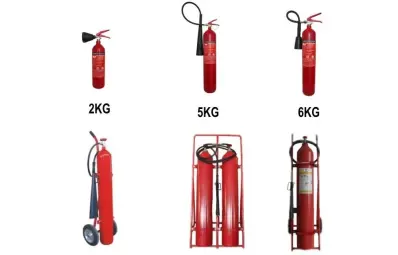
CO2: A suffocating gas, not used in human areas, very effective for large electrical and mechanical fires.
English: FM-200 is a clean agent safe for occupied spaces, while CO2 is primary for unoccupied areas due to its suffocating nature.
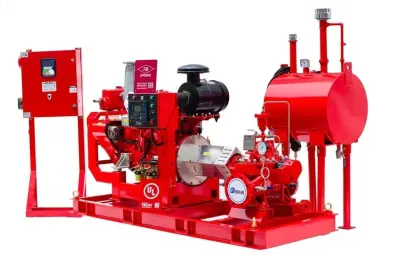
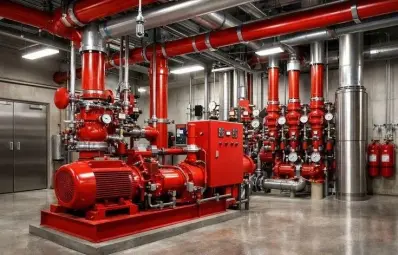
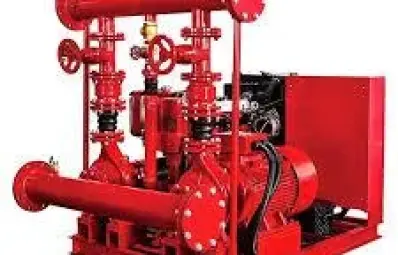
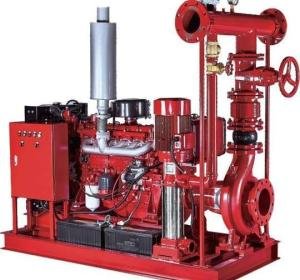
It usually consists of three pumps:
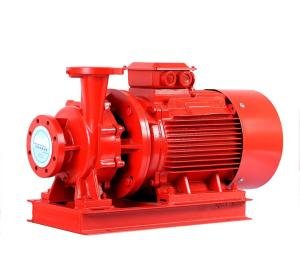
Electric Pump (Electric Pump): The main pump.
Diesel Pump (Diesel Pump): A backup pump that works in the event of a power outage.
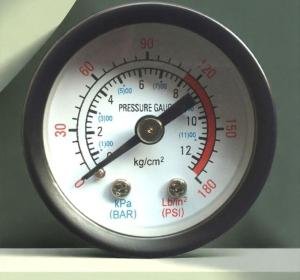
Jockey Pump (Jockey Pump): A small pump to keep network pressure from minor leaks.
According to NFPA 25 and Civil Defense standards, monthly theoretical inspection, quarterly technical inspection (every 3 months), comprehensive maintenance and annual performance testing should be carried out to ensure the efficiency of pumps and sprinklers.
Standing (Upright): Rides up (often in places where there is no borrowed roof).
Dangling (Pendent): Rides down (used with borrowed ceilings).
Wall (Sidewall): Mounted on walls (for corridors or narrow rooms).
We use a submersible pump (Vertical Turbine) when the water source (tank) is below the pump level, while a horizontal pump (Horizontal Split Case) is used when the water level is above the pump (Positive Suction).
The detector is installed at a distance of 30 cm from the ground because it is heavier than air.
Methane or natural gas: It is installed near the ceiling because it is lighter than air.
Quality Standard Customers
International Furniture and Curtains Company
CHINT
High professionalism and a very cooperative work team. The project was implemented with the highest quality and on time, and we recommend dealing with them in fire fighting systems projects.
Alpha Omega Egypt Company
garment industryOne of the best companies we have dealt with in supplying alarm and monitoring systems. Installation accuracy and after-sales service (maintenance) are very excellent.
Arab Glass Coatings Foundation
Glass coatings (MINAS)A reliable partner we rely on to provide integrated protection and safety solutions. The quality of equipment and the competence of engineers reflect true quality standards.
Our specialized services
Integrated engineering solutions including design, supply and installation for maximum safety.
Popular Categories