

Posted At: May 02, 2026 - 347 Views
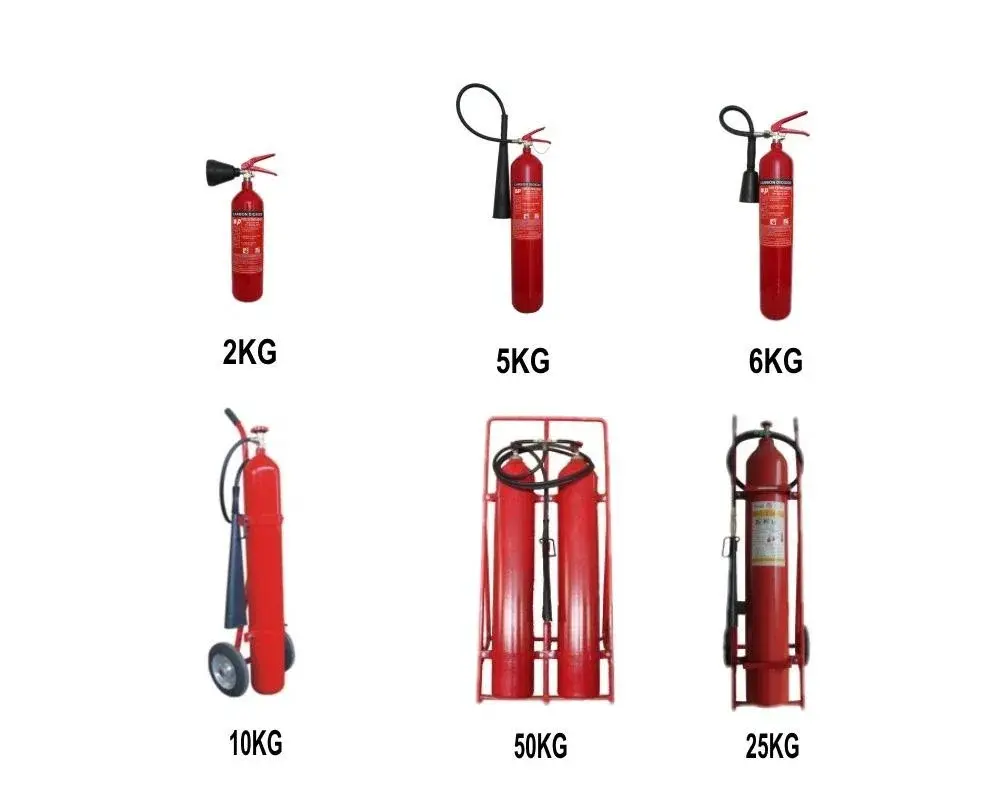
Carbon Dioxide (CO2) Fire Suppression System: Comprehensive Guide to Design, Cost & Benefits
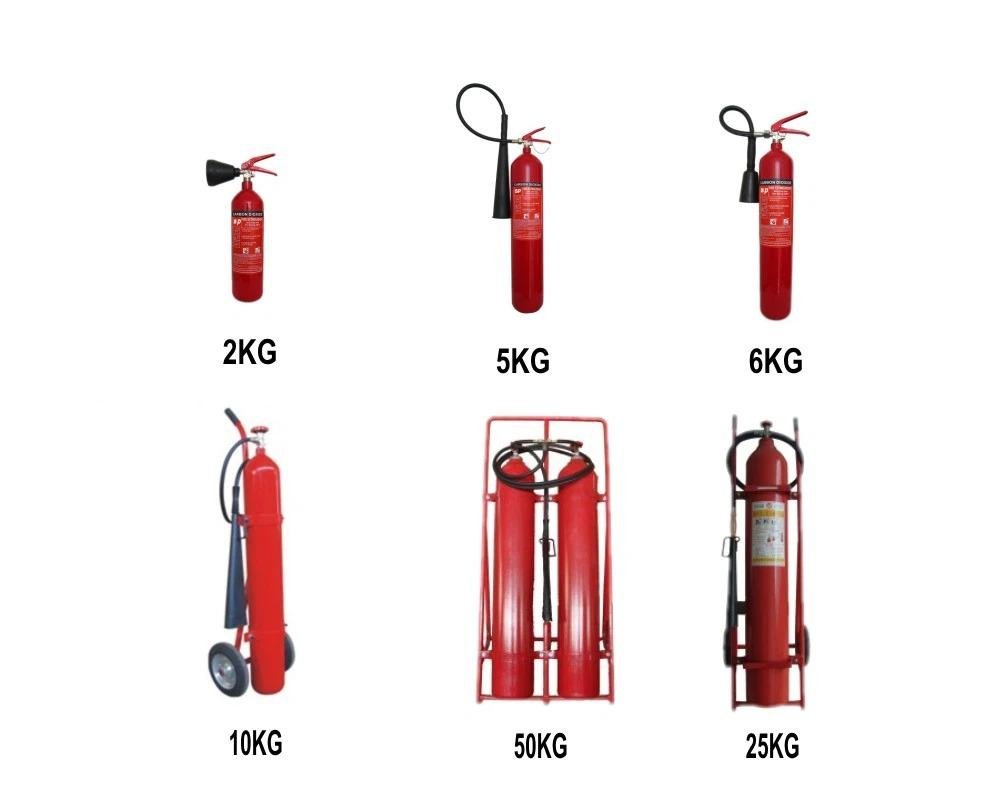
What is a Carbon Dioxide (CO2) Fire Suppression System?
The Carbon Dioxide (CO2) Fire Suppression System is one of the most effective and widely used gaseous fire suppression systems globally. This system relies on the release of extremely cold carbon dioxide gas to extinguish flames and control fires quickly, making it a safe and efficient solution for protecting lives and property.
The CO2 Fire Suppression System leverages the unique physical properties of CO2 gas, which works by:
Releasing large volumes of gas into the affected area.
Significantly lowering temperature and oxygen levels.
Removing fuel sources, enabling easier fire suppression.
CO2 fire suppression systems are highly reliable and effective, making them an excellent asset for industrial facilities, commercial buildings, and residential properties alike.
How to Design a CO2 Fire Suppression System
Designing a CO2 Fire Suppression System is a precise process that requires comprehensive knowledge of calculation equations and adherence to the highest global standards.
Key Design Standards: * UL-300: For fire suppression systems in commercial cooking equipment.
NFPA-12: For CO2 fire suppression systems.
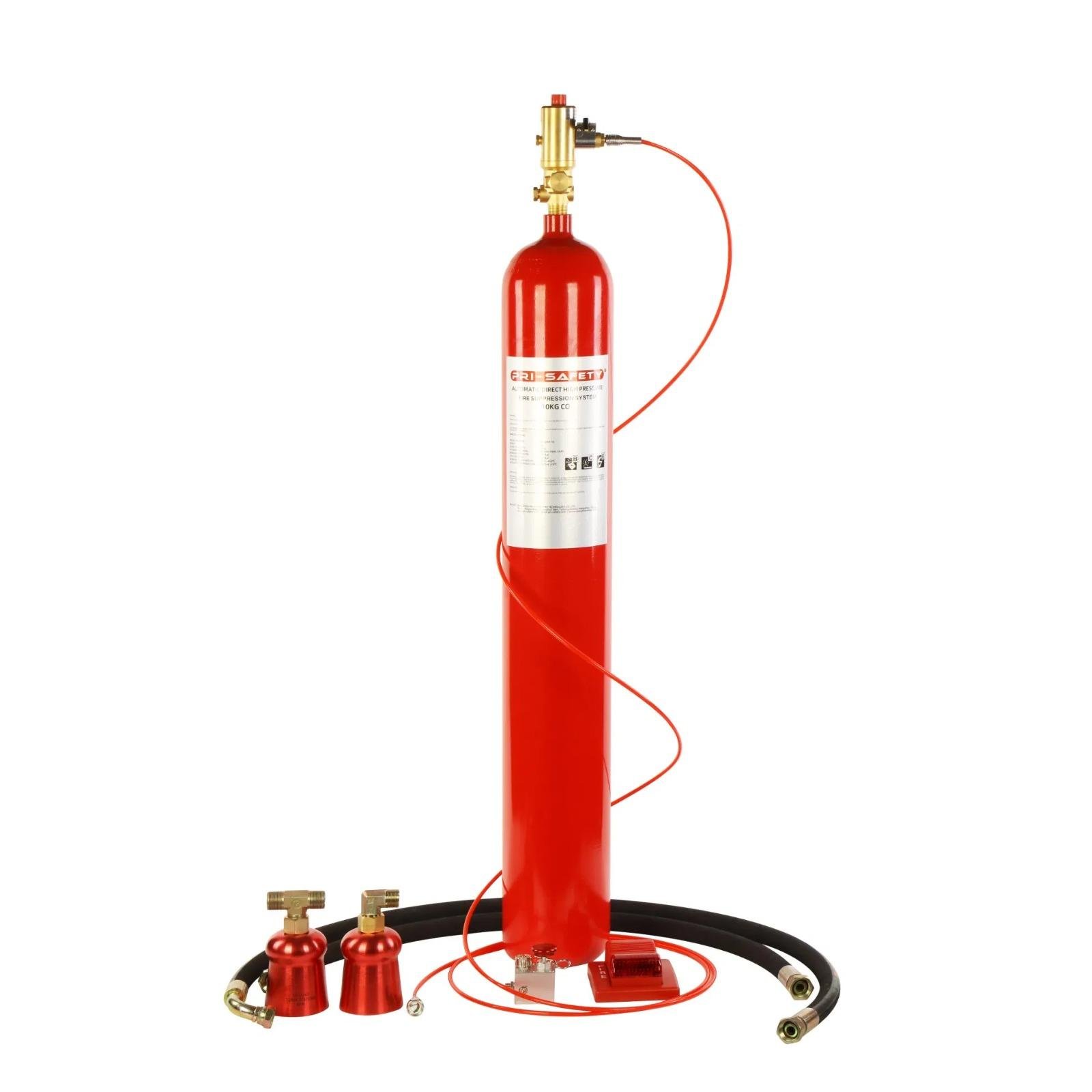
Required Calculations: To ensure proper design and operation, the following parameters must be accurately calculated:
Required CO2 Quantity: Based on room volume and combustible materials.
Number and Distribution of Nozzles: For even coverage of the protected area.
Discharge Time: Must be fast enough to control the fire before it spreads.
Safety Guidelines: For safe storage of CO2 gas.
By understanding these calculations and adhering to standards, you can ensure your CO2 fire suppression system is designed correctly and operates effectively when needed.
Cost of a CO2 Fire Suppression System
The cost of a CO2 Fire Suppression System depends on several key factors:
Factor | Impact on Cost |
|---|---|
| System Size | Larger protected areas increase costs. |
| Installation Costs | Includes civil works and electrical connections. |
| Coverage Area | Number of cylinders and nozzles required. |
| Applied Standards | UL-300 or NFPA-12 may affect costs. |
| Periodic Maintenance | Low cost compared to other systems. |
Note: CO2 fire suppression systems require minimal maintenance once properly installed, making the initial cost worthwhile for protecting property from severe fires. Neglecting regular maintenance can lead to larger fires with higher repair and restoration costs.
Advantages of a CO2 Fire Suppression System
The CO2 Fire Suppression System offers numerous advantages, making it the ideal choice for various applications:
1. No Water Damage Unlike water-based systems, CO2 systems eliminate concerns about water damage during operation. This makes them ideal for areas with:
Sensitive electronic equipment (server rooms, data centers).
Valuable documents and manuscripts (museums, archives).
Expensive industrial equipment.
2. Fast and Effective Suppression CO2 displaces oxygen and stops fuel combustion quickly, ensuring minimal damage to property and occupants.
3. Cost-Effective The installation and maintenance costs of CO2 systems are relatively low compared to other systems, especially in the long term.
4. Environmentally Friendly CO2 is naturally present in the atmosphere, and no toxic byproducts are released during operation.
5. Safe for Humans (When Used Correctly) Although CO2 can be dangerous at high concentrations, properly designed systems include alarms and safety measures to protect occupants before discharge.
6. Versatility CO2 systems are applicable in diverse settings, from warehouses to high-rise buildings, electrical rooms to power plants, ensuring your property is always protected.
Trusted By: Industrial Facilities • Commercial Buildings • Residential Properties